The different types of foster care
If you’re interested in fostering in Scotland, you’ve likely wondered what day-to-day life is like for a foster carer.
Fostering is a diverse profession, and there are a wide variety of different types of fostering to suit the needs of the different types of children and foster carers who we support here at Fosterplus Scotland.
Whether you’re interested in making fostering your career or fostering part-time alongside your job, there’s a type of fostering out there which will perfectly suit your needs.
What is the goal of fostering?
The goal of fostering is to ensure that children from all backgrounds are able to grow up in safe, healthy environments where they are free from harm. Fostering does not permanently separate most children from their birth families. In fact, the aim of most fostering placements is reunification, where children go home to their families once it is safe for them to do so.
Sadly it is not always safe for a child to return home. In these cases a child may go on to be adopted by another family, or they may stay in a safe and loving foster home until they reach adulthood.
What are the different types of foster care?
There are many different types of fostering, and as one of our treasured foster carers, you’ll be able to choose which types you are interested in offering. You can offer more than one type of fostering, and we’ll tailor our matching process to ensure that you’re offered the types of placements which interest you most.
Depending on the type of fostering you choose to offer, children may stay with you for as little as one night on an emergency basis, or up until they reach age 18 and beyond. Let’s discover the different types of fostering placements, and how they work towards this goal.
Interim fostering
One of the most common types of fostering is interim fostering. This type of foster care welcomes children who need a safe place to stay for a relatively short period of time, which can be anything from a few weeks up until two years. This type of fostering provides children with a safe home until they can return home to their family or until further arrangements are made for their care, such as adoption or long-term fostering.
There are many reasons why a child might need an interim foster home. These could include a parent being in prison or suffering from an illness, if there is a crisis at the family home, or if the child’s family is going through court proceedings. Becoming an interim foster carer gives you the wonderful opportunity to provide children with stability and security during a challenging period in their family’s life, and to keep families safe in the knowledge that their children are safe while they are unable to be together.
Long term fostering
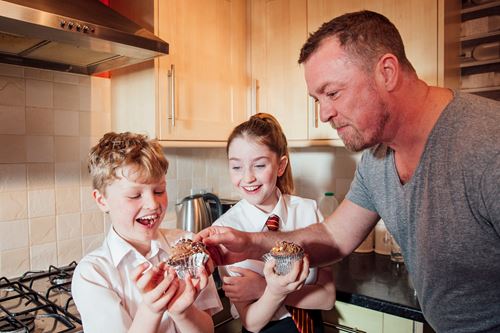
Perhaps one of the most well-known types of foster care placement, this style of fostering provides children with a safe home until they reach adulthood. Children stay in long-term foster care placements when it is unsafe for them to return home to live with their birth family. Becoming a long term foster carer is a great option if you want to pour all of your love and care into a small number of children over your fostering journey, giving you the opportunity to building deep and lasting familial bonds.
Your journey together doesn’t have to end when your foster child turns 18; through a system known as continuing care, you and your young person can choose to continue to keep on living together until they’re ready to move out on their own. Many young people who have been in long term foster care remain a part of their foster family for life, sharing events like birthdays and celebrating life’s milestones together.

Emergency fostering
Sometimes children have to enter foster care without warning; perhaps they’ve been removed from an unsafe situation at home, or there has been a tragic accident and they have lost a parent. In situations like these, our emergency foster carers are a lifeline. Emergency foster carers pride themselves on their great interpersonal skills which allow them to help children to feel safe and comforted during an incredibly challenging time.
As an emergency foster carer you’ll need to be very flexible and adaptable, as you’ll be welcoming children into your home often times with very little warning. Children tend to stay in emergency foster placements for as little as one night up to a few days while our teams work behind the scenes with the child’s Local Authority to find them a more permanent home.

Short breaks fostering
Short break fostering, previously sometimes known as respite fostering, is available for our children and young people. This is always led by the young person and on the occasion when a foster carer requests a short break, the young persons’ views are always taken into account. When a short break is in place, the young person will be cared for by another Fosterplus foster carer.
Short break foster carers are a huge asset to everyone in our community. Short break foster carers will receive a payment for each night a child spends in your care, along with all of the support and additional benefits enjoyed by our full-time foster parents, such as access to our family days out and our exclusive discount scheme.

Fostering siblings
If you have enough room in your home, you can make an enormous difference to a family’s life by choosing to foster siblings. An estimated 40% of children in foster care across the UK are sadly separated from their siblings, which can lead to a breakdown in their relationship which they may never be able to fully recover as adults.
Keeping siblings together in care has a huge range of well-documented benefits, including making big life transitions easier and allowing the children to support one another through their time in the care of another family. If you choose to foster siblings you’ll be helping to keep families together in a life-changing way.

Fostering teenagers
It is important for us as a society to remember that teenagers are still children, and they need loving parental support to guide them on their journey towards young adulthood. Teenagers are particularly vulnerable in some ways, as their budding independence makes them more likely to fall prey to exploitation outside of the home. For example, teenagers in care are often targeted by gangs and are six times more likely to become victims of sexual exploitation than younger children in care.
Teenagers need strong, supportive role models who believe that they can achieve. By becoming a foster carer to a teenager, you could become that beacon of support and help to transform a young person’s life for the better, building their self-confidence and helping them to become rounded and happy adults.

Fostering children with complex needs
Many children in foster care have additional needs, which can include physical disabilities or brain-based differences such as Autism, ADHD or FASD. It is often more difficult for these children to find a foster home, which is why we’re always encouraging more people to consider fostering children with complex needs.
You don’t need to have experience in caring for children with additional needs to get started. We provide our foster carers with lots of great training, and we run regular courses on topics including Disability Awareness, Neurodiversity and understanding conditions such as Sensory Needs and Dyspraxia. With our careful matching process and ongoing training opportunities, we’ll ensure that you have everything you need to fully support the unique needs of the children in your care.

Fostering sanctuary-seeking children
Many unaccompanied children come to the UK seeking asylum, mostly teenage boys who have endured traumatic journeys to escape war, poverty or other unsafe situations. When arriving in the UK these children can face many challenges including language barriers, the ongoing effects of trauma and societal discrimination due to anti-migrant rhetoric in the media.
By welcoming a sanctuary-seeking young person into your home, you will be supporting them through an enormous life change and helping them to settle into their new life while arrangements are made for their future. Our training on Cultural Awareness will support you in caring for a sanctuary-seeking child’s unique needs.

The best thing about fostering a child long term is seeing their growth from where they’ve started to where you’ve helped them develop and grow throughout the years. Our young person has been with us since he was just 3 years old and he’s 16 now. He’s just one of our children; we don’t look at him any differently. And he looks at us the same way – His family is us. My parents are his nanny and grandad, he’s got aunts and uncles. He’s part of our family.
Become a foster carer today!
We hope you’ve enjoyed our guide to the many different types of foster care. Now more than ever, children across Scotland need the love, support and safety that you can provide. If you’re thinking about fostering, we encourage you to get in touch with our team today by calling us on 0800 098 4152 or filling out our online enquiry form.
Ready to learn more? Discover more about the process of becoming a foster carer in Scotland.
Speak to our team
Whether you’re ready to apply or just want to find out more, get in touch with us today
Enquiry
Please make sure you read our terms and conditions because you’re agreeing to them by submitting an enquiry. It’s also worth reading our privacy policy and cookies policy so you understand how we collect and use your personal data. This site is protected by reCAPTCHA and the Google Privacy Policy and Terms of Service apply.